
Home › Guides › Markets & the economy
How to build a watchlist (and why 5 to 10 markets is enough)
A long watchlist feels like more chances. In practice, it means less time on each chart. Five to ten markets, watched the same way every day, show you far more. Here's how to pick them.
What a watchlist is for
A watchlist is the short list of markets you check every day. It's not a list of things to buy. It's a list of charts you know well.
That last part is the point. You learn a market by watching it again and again. How far it usually moves in a day. Which hours it's busy. How it acts at a level.
Why fewer is better
It sounds backwards. More markets should mean more chances, right?
Here's the catch. Every extra chart takes time, and time is the thing that builds skill.
- 50 markets: a quick glance at each. You see a lot. You learn very little about any one.
- 5–10 markets: a proper look at each, every day. Patterns start to stand out.
There's a second reason. A huge list almost always "has a setup" somewhere. That feeling of a setup everywhere makes it easy to take too many trades. A short list keeps you choosy. More on that in how to stop overtrading.
The rule of thumb: if you can't check your whole watchlist properly in about 10 minutes, it's too long.
Every market has a personality
Watch any market for a few weeks and you'll notice its habits.
- Its usual daily range: some move 1% on a normal day, others 5%.
- Its busy hours: forex pairs wake up in certain sessions; US stocks are busiest near the open and the close.
- How it reacts to news: some barely care about CPI, others jump.
- How clean its levels are: some respect turning points neatly, others are messy.
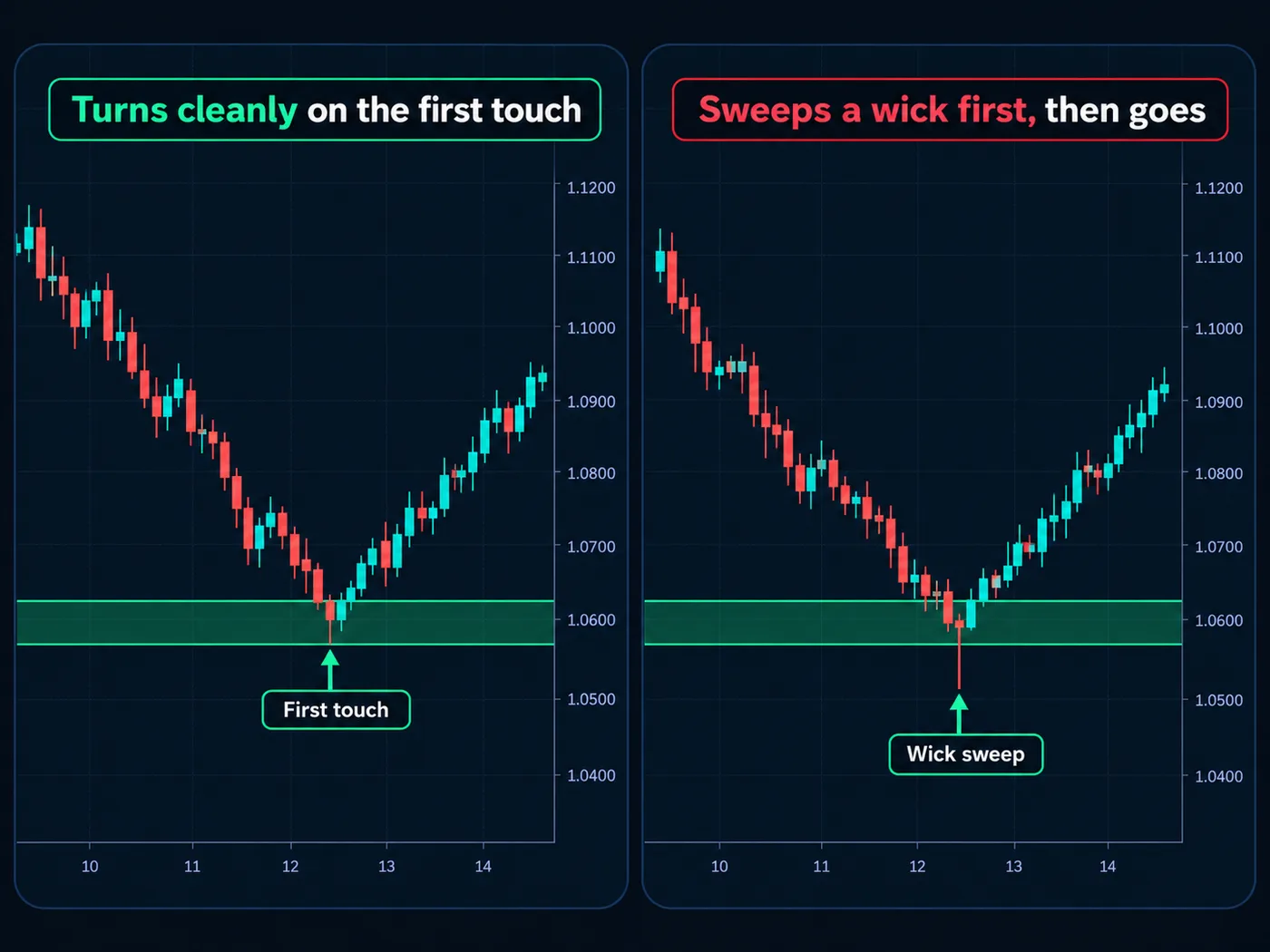
You can only learn these habits on a short list. That's what makes 5 to 10 enough.
How to build your watchlist in 5 steps
1. Pick your market type first
Start with one kind of market: stocks, forex, futures, crypto or gold. Mixing them all on day one means learning 5 sets of hours and rules at once.
Not sure which? Compare them in forex vs stocks, futures vs stocks and crypto vs stocks.
2. Choose busy, well-known markets
Busy markets have tight spreads and steady movement. That makes charts cleaner and costs lower. Good examples by type:
| Market type | Examples many beginners watch |
|---|---|
| Stocks | A broad index fund, plus a few large, heavily traded companies |
| Forex | EUR/USD, GBP/USD, USD/JPY |
| Futures | MES, MNQ, micro gold |
| Crypto | BTC/USD, ETH/USD |
These are examples of busy markets, not suggestions to buy or sell anything.
3. Make sure the hours fit your life
A market is only useful if it's active when you can look. If you check charts in the evening, end-of-day stock charts work well. If you're free early morning, some forex sessions might fit. Our market hours tool shows what's open in your time zone. Working a day job? See trading with a full-time job.
4. Avoid markets that all move together
If your list has 5 large tech stocks, it's really 1 idea five times over. When one drops, they often all do.
Mix it up a little: different sectors, or one index plus a few names from different areas. That way, your watchlist shows you different charts, not the same chart with different labels.
5. Cap it, and write it down
Pick your 5 to 10. Write them in your trading plan. Then leave the list alone for at least a month.
Your daily watchlist check
Do it in the same order every day:
- Bigger chart first. On the daily chart: up, down or sideways? See multiple timeframe analysis.
- Where's the level? Mark the last place price turned around.
- Is price near it? If not, move on. Most days, most markets aren't near anything.
- Any news? Check the calendar for that market today.
- Note it. One line per market: "trend up, near level, no news."
That's a minute or so per market. Ten markets, about 10 minutes.
The free StructureX chart tool on TradingView marks the turning points for you, which speeds up step 2. It works in the TradingView phone app too.
When to swap a market out
Keep a market for at least a month before you judge it. Then swap it if:
- It's rarely active when you can look.
- Its levels are messy and it never gives clean setups.
- It moves in lockstep with another market already on the list.
Swap one at a time. Changing the whole list resets everything you've learned about it.
Common watchlist mistakes
- Adding every market someone mentions online.
- Chasing "what's moving today" instead of learning your own list.
- Changing the list weekly. You never get to know any market.
- A list with no plan. A watchlist without a daily check is just a bookmark folder.
Try it today
- Pick one market type.
- Write down 5 busy markets of that type.
- Check each one's daily chart and mark the last turning point.
- Save them as a watchlist in your charting app.
Questions
How many stocks should be on a watchlist?
For learning, 5 to 10 is plenty. That's enough to give you setups, and small enough to check each chart properly every day and learn how each one usually moves.
What should I look for when building a watchlist?
Busy, well-known markets with tight spreads, active during the hours you can trade, and not all moving together. Start with one market type, like stocks or forex, before adding others.
How often should I change my watchlist?
Rarely. Keep each market for at least a month so you learn its habits. Swap one at a time, and only for a clear reason, like poor hours or messy levels.
Should I trade everything on my watchlist?
No. A watchlist is a list of charts to check, not a list of trades. Most days, most markets won't be near a level. Only trades that pass your plan and checklist get taken.
Want the next step? We'll walk you through it.
Four free lessons by email, one every few days — each with a 10-minute exercise on a real chart.
Send Me the Free Lessons 4 short emails · No spam · Unsubscribe anytimeOr see the whole method, step by step:
See What’s Inside the Course Try everything free first. Decide when you're ready. · Open the free chart tool (works in the TradingView phone app)One chart idea a day, in plain English. Follow along: